The tariff storm is raging, the logistics market is changing dramatically, and sellers are in danger of survival
Created on 2025.04.11
1. Freight forwarders collectively raise prices
It is a foregone conclusion that the United States will tighten its cross-border tariff policy in all aspects. Now, this nuclear bomb is causing more serious chain reactions.
According to reports, recently, with US President Trump signing two executive orders on increasing US import tariffs, one of them is to impose "reciprocal tariffs" on almost all trading partners including China, Hong Kong, China, and Taiwan, China from April 9; the other is to cancel the T86 customs clearance mode from May 2 and impose taxes on imports from China with a value of less than US$800.
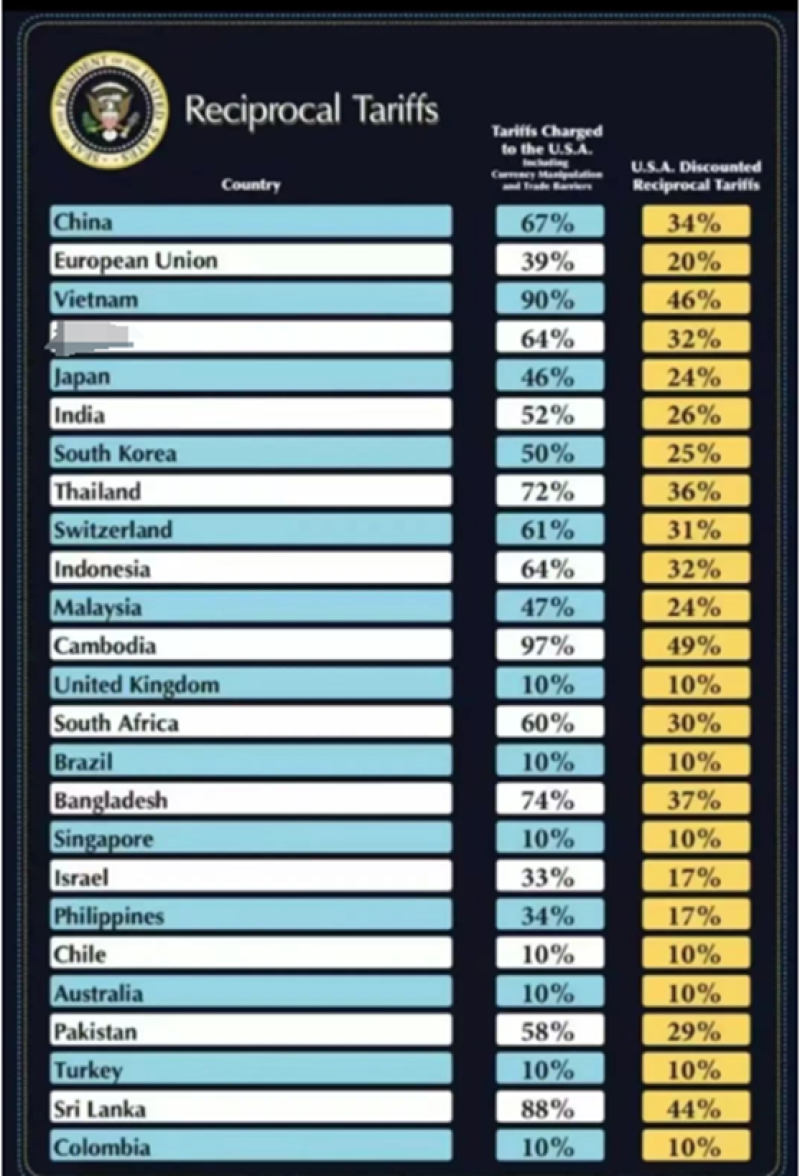
The United States imposes tariffs on all trading partners. Source: Cross-border e-commerce, cross-border housing
Once the news was released, it immediately caused market turmoil. Some industry insiders pointed out that the drastic changes in the US tariff policy may shake the cornerstone of the development of the global multilateral trading system over the past seventy years and intensify the shock of the global supply chain. Under this huge wave, cross-border logistics suppliers are also facing cost shocks.
According to reports, after the release of the new tariff policy, the effective tax rate faced by US goods will exceed 54%, which will cause the costs of some bonded logistics channels to rise. In order to maintain profits, a large number of US freight forwarders have chosen to increase their quotations and transfer cost pressure.
Based on the information released by different freight forwarders, the price increase for US shipping freight forwarders is roughly in the range of 1 yuan/kg to 2 yuan/kg, most of which are for goods arriving at the warehouse after April 9. Goods that arrived at the warehouse before that time will still be charged at the original price.
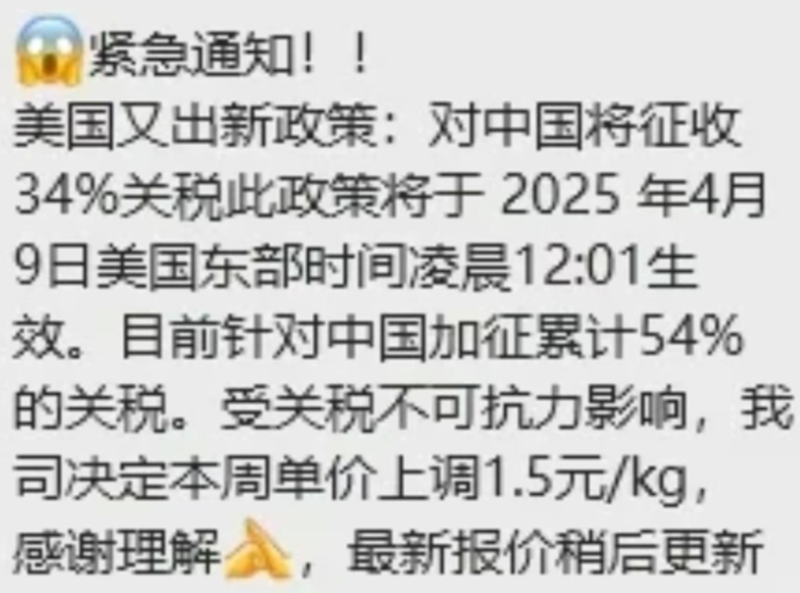
Image source of freight forwarding price increase for US routes: AMZ123
Taking the increase of "1.5 yuan/kg" as an example, it is equivalent to 150 yuan more for every 100 kilograms of goods. Although it does not seem much, it will affect the seller's profit margin if accumulated in the long run. Therefore, cross-border sellers complain.
"The US air channel increased by two dollars, and the Matson channel increased by one dollar and a half."
“Amazon people, the sky is falling…the freight forwarder has raised the price by 30%!!”
"The freight forwarder has already notified me of the surcharge of 2 yuan per kilogram. I'm already tired of it anyway."
2. Sellers are in a dilemma
As we all know, the United States is the world's largest consumer market and a typical consumerist society. Consumption is regarded by local people as a lifestyle and value orientation. Therefore, this market is also favored by a large number of cross-border sellers. Even in the face of tariffs, sellers still find it difficult to give up this "big gold mountain".
However, it is a fact that rising tariffs have impacted costs. Now, American cross-border sellers are faced with the big problem of "whether the product prices will increase or not", and sellers have different opinions on this.
Faced with the sudden surge in logistics costs, some Amazon sellers responded immediately. Among them, the well-known cross-border seller Superstar Technology responded particularly quickly. After the new tariff policy was announced, "prices began to rise the next day", and it was expected that the entire industry would follow suit soon.
Data from the 2024 semi-annual report shows that although Giant Technology has a wide market layout, revenue from the US market still accounts for more than 60% of its total revenue, so it is difficult to predict whether this wave of product price increases will be a blessing or a curse.
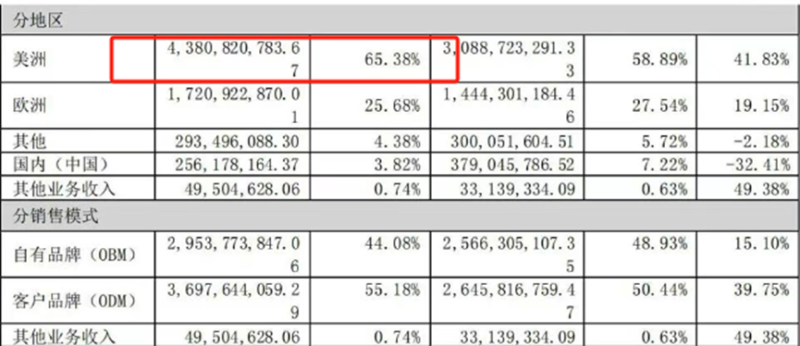
The US business is the ballast of Giant Star Technology. Source: Giant Star Technology
As a top seller, Giant Star Technology has a brand, patents and great influence, so it is naturally confident in raising prices. In comparison, sellers with less strength are obviously much more cautious. Most of them are still watching the actions of their competitors. They are worried about the cost impact caused by tariffs, and are also afraid that price increases will lead to a decline in sales and be "taken advantage of" by their peers.
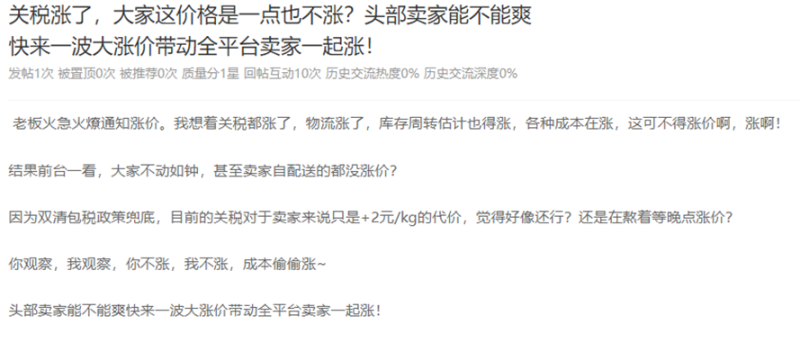
Most sellers are still in a wait-and-see state. Source: Know everything and speak up
It is worth mentioning that US President Trump revealed that in the future it is possible to impose a 50% tariff on the basis of the 34% tariff, and the total tariff will reach 104%. At that time, cross-border sellers will undoubtedly face more cost challenges, and price increases will become a must.
End of text
Contact
Leave your information and we will contact you.


